


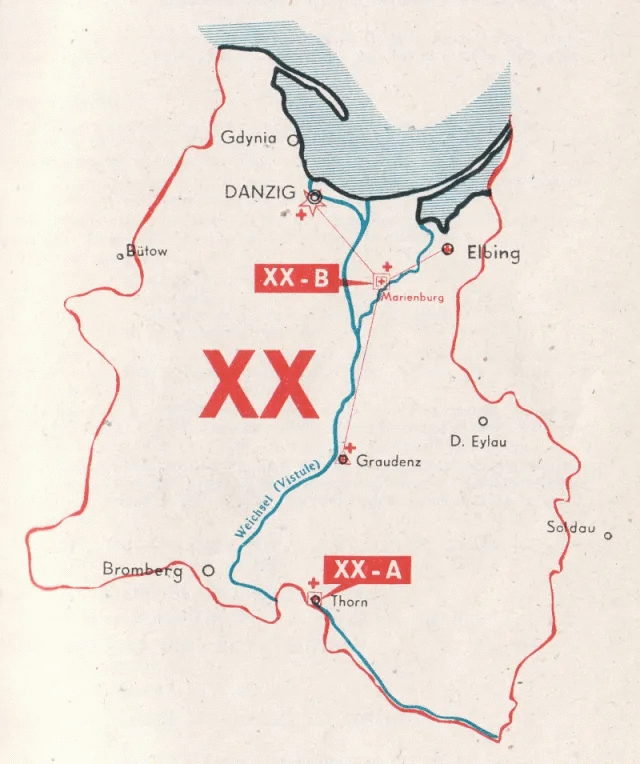
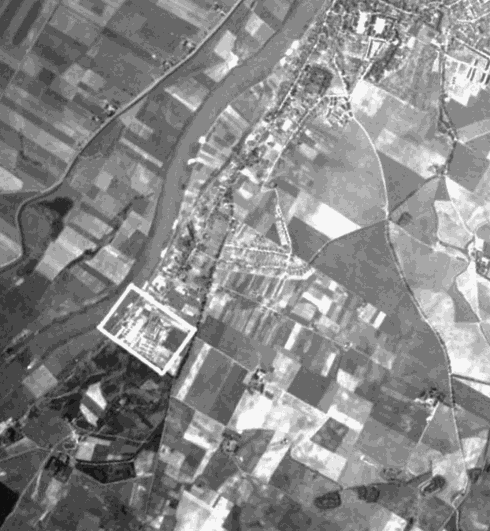
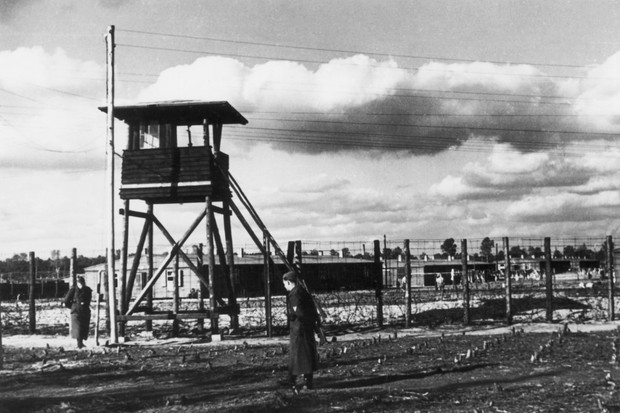
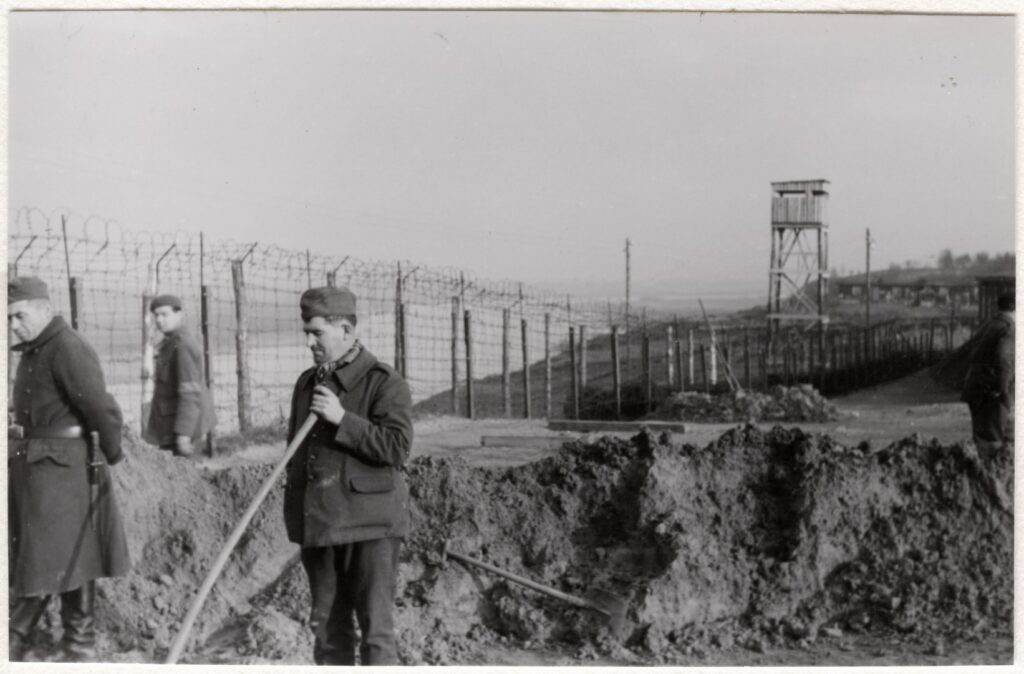
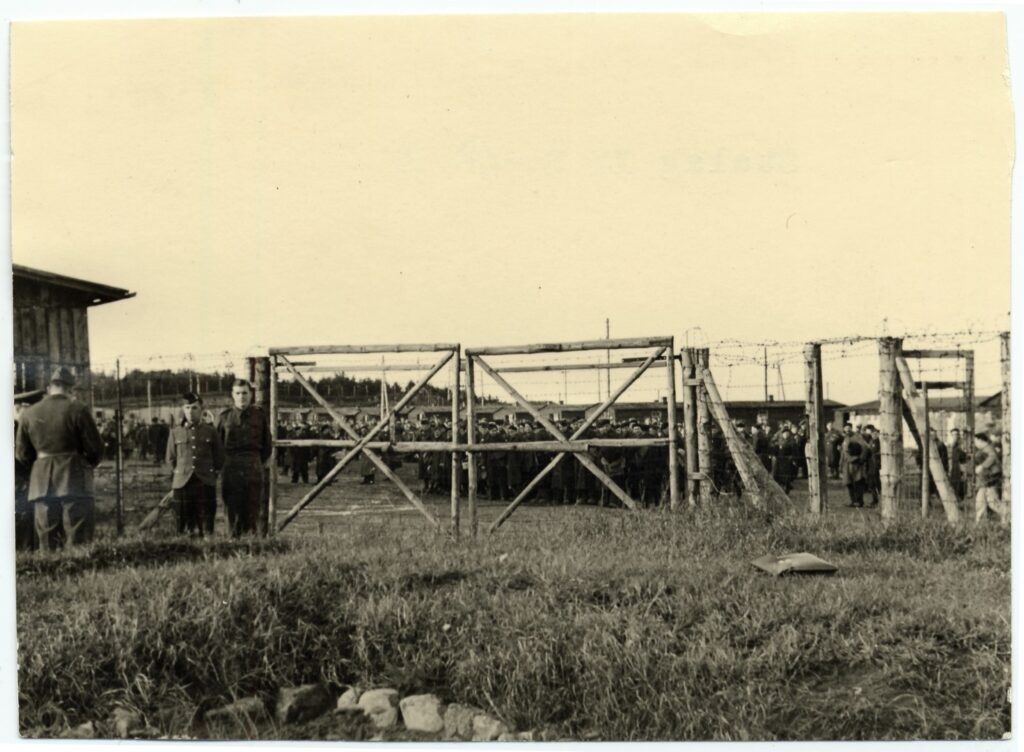
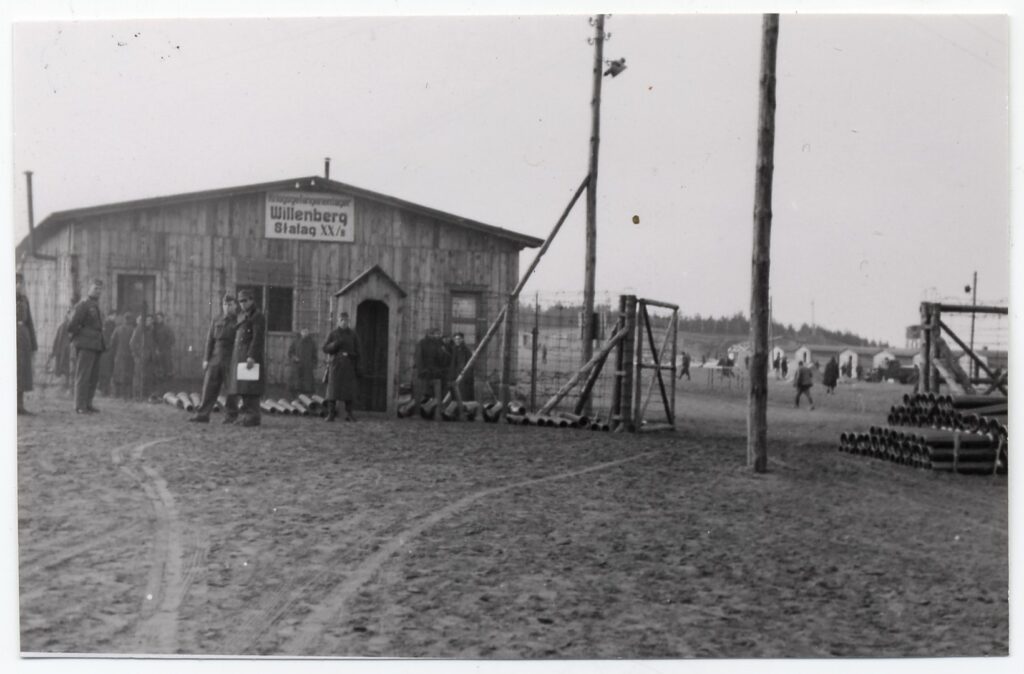
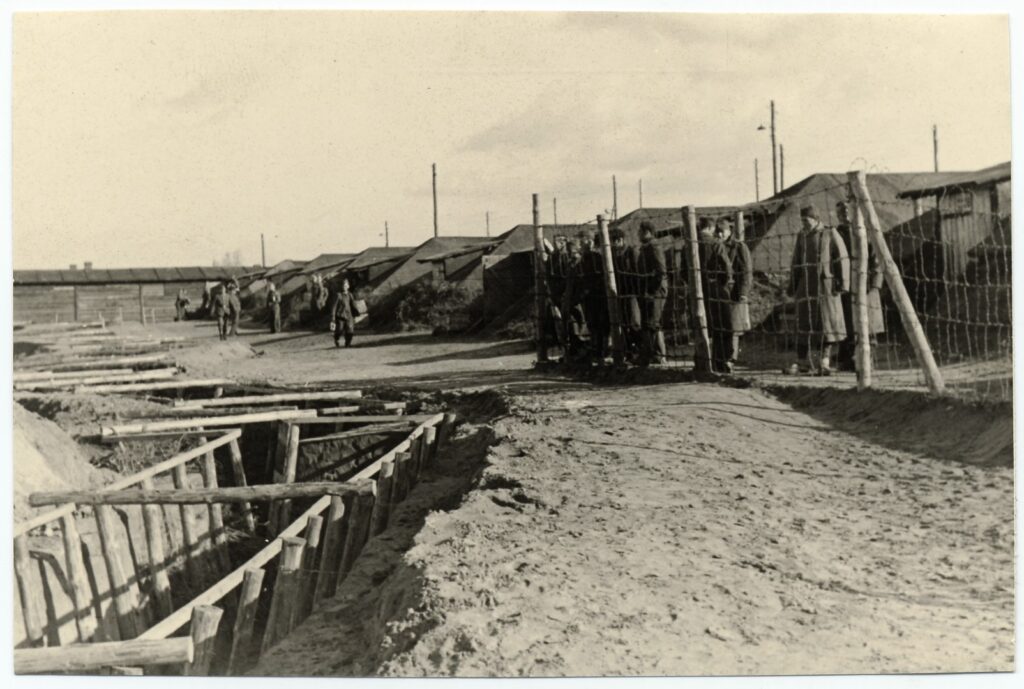
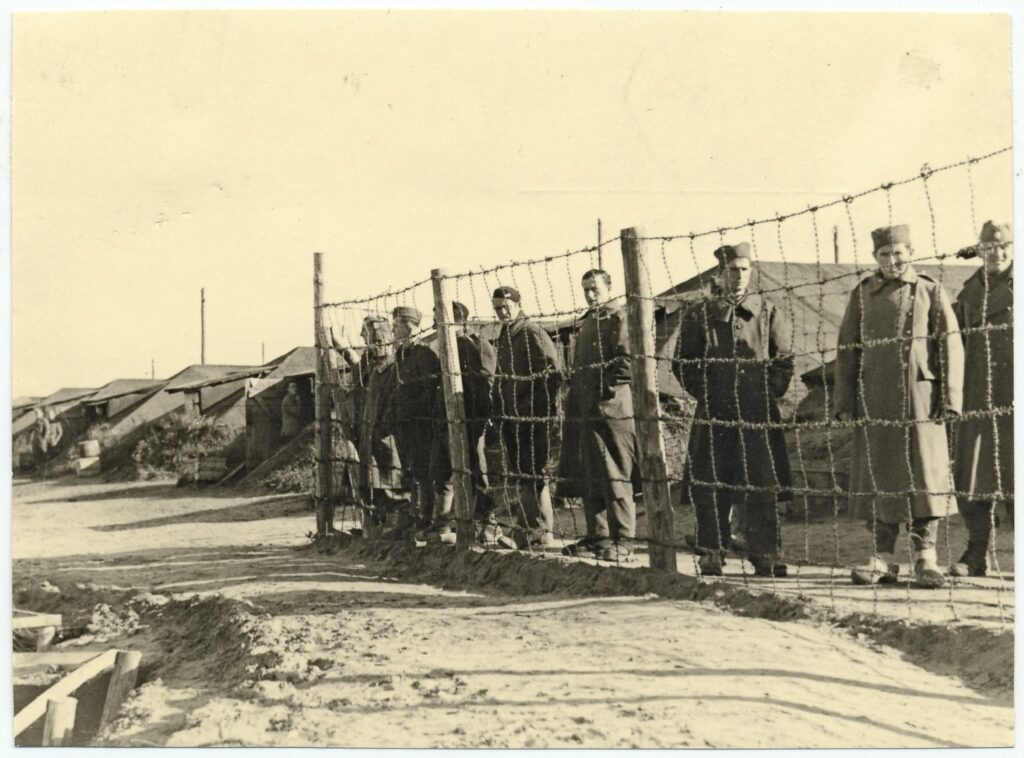
Stalag XX B Marienburg was a barrack-type camp, built om scratch in the area intended for this purpose, without using any already existing facilities. In July 1940, the camp was still lacking the necessary inastructure. It was a square surrounded by barbed wire, with watchtowers and a few barracks for guards. The prisoners were accommodated in overcrowded tents and dugouts. By the end of 1940 the camp had reached 3,000 inmates.
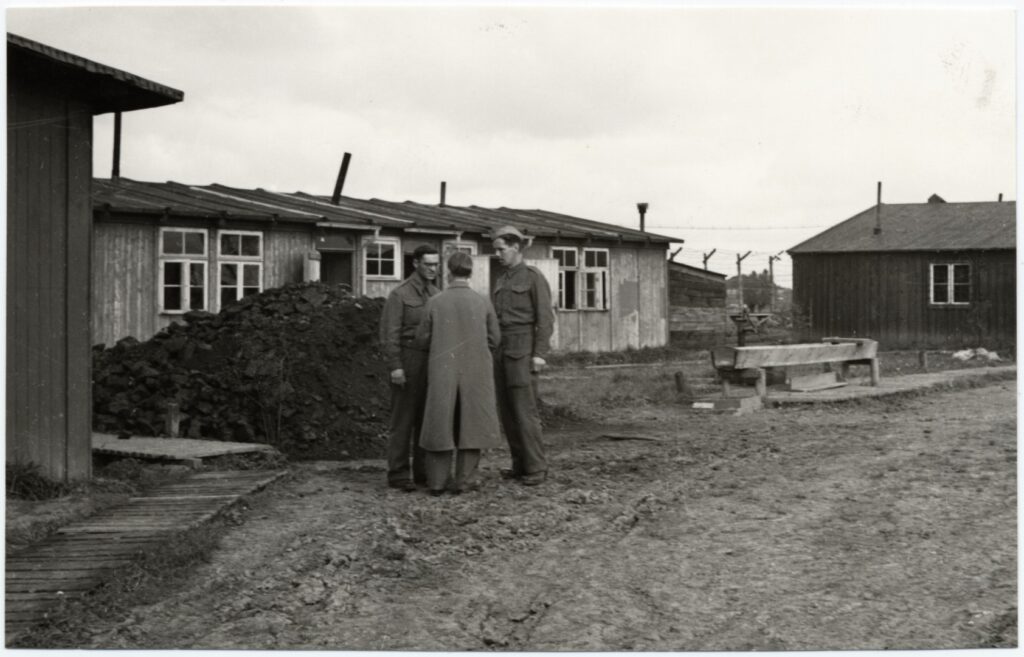
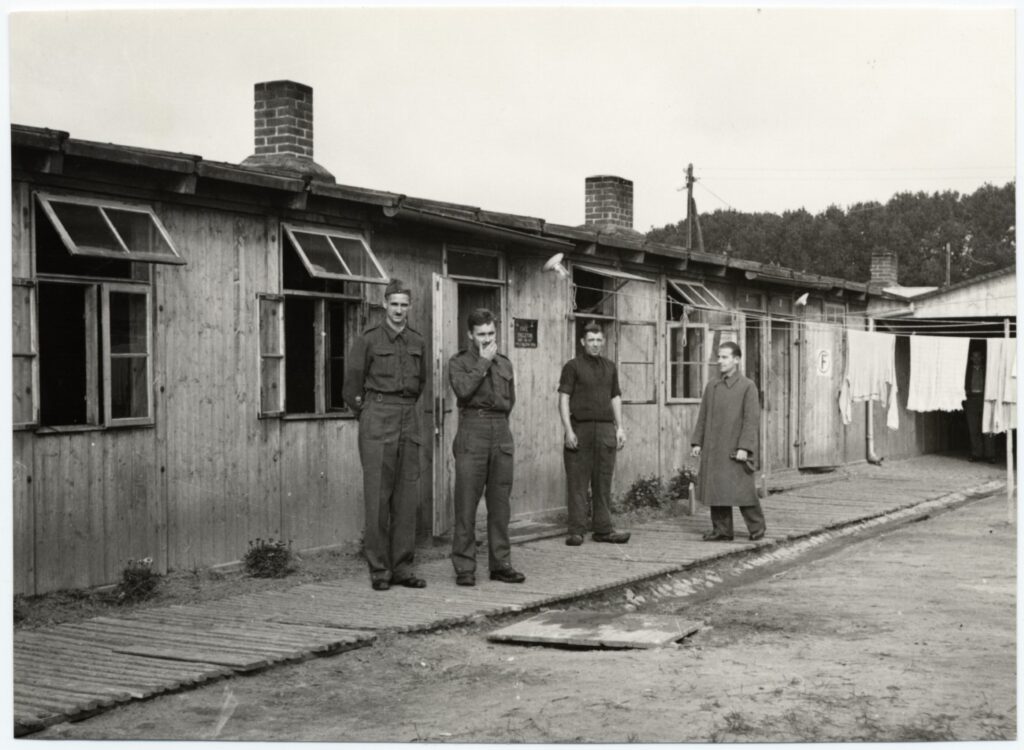
There were three types of buildings that served as living quarters in the Stalag:
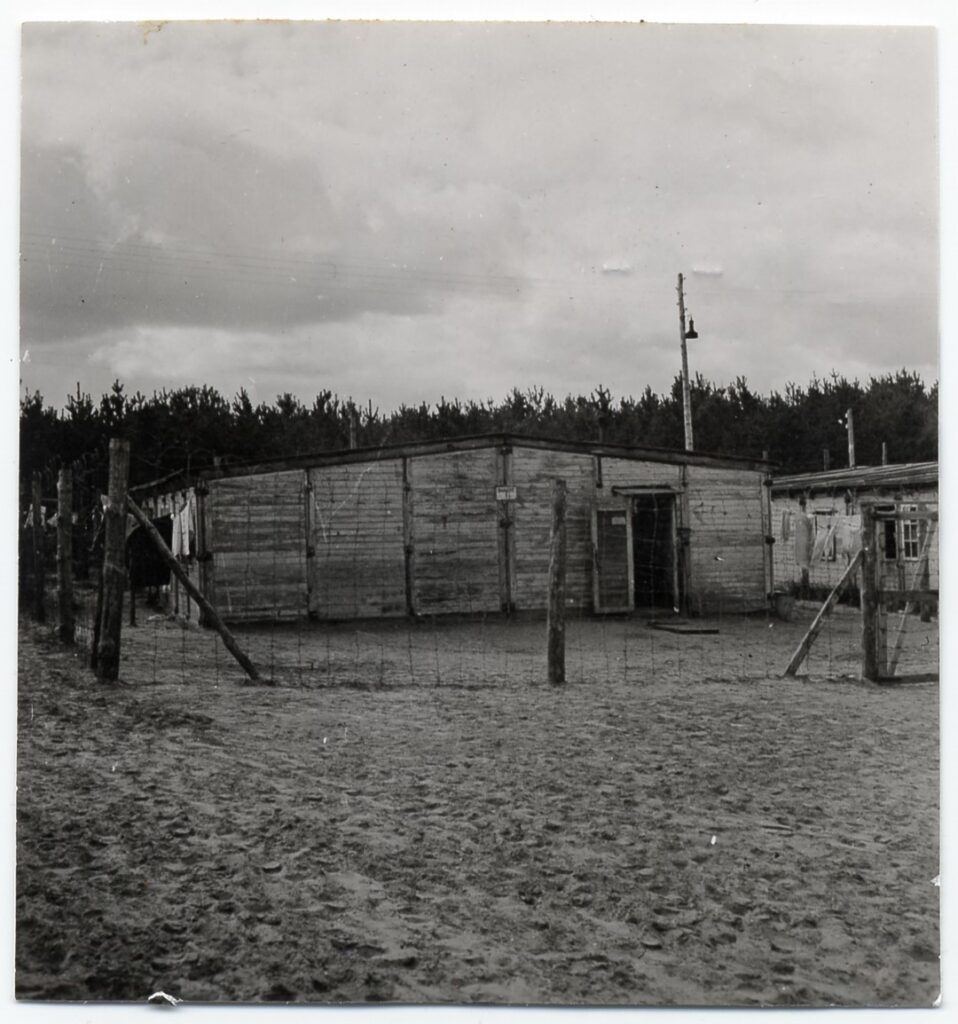
• wooden barracks, of the so-called the “old type”, divided into two large rooms separated by the common corridor. One barrack would accommo-date up to 70 people. These structures had windows along one wall only, with triple bunks running along the opposite side
• new barracks whose interior were divided into six rooms, accommodating 40-50 prisoners each.
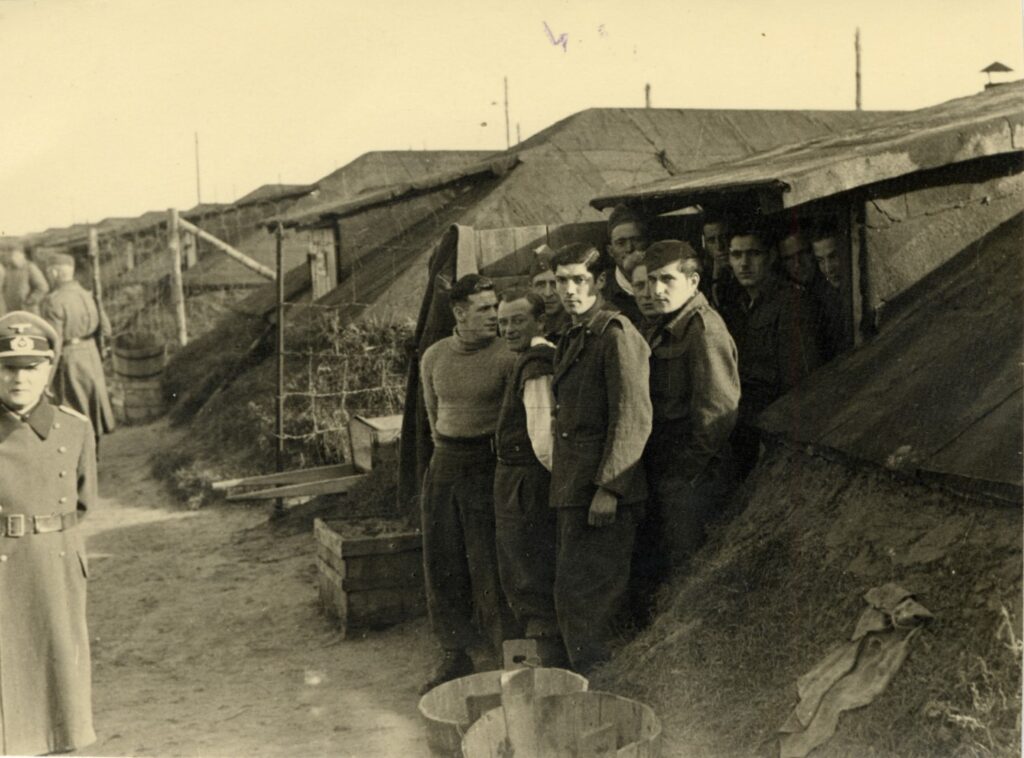
• dugouts – low, round huts, partially dug into the ground and covered with clay, the walls of which were reinforced with logs om the inside.
Instead of solid floors, there were only earthen ones. Bunks were placed on either side of a narrow corridor. One hut would accommodate around 30 prisoners. Though primitive, they were easier to heat than large barracks, a quality which prisoners appreciated
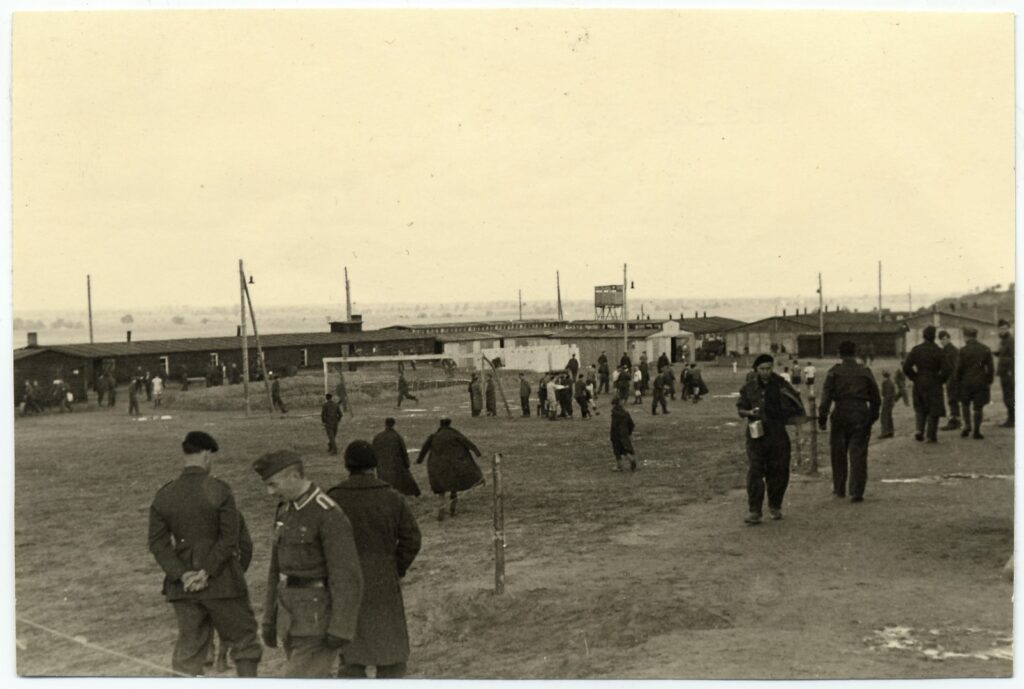
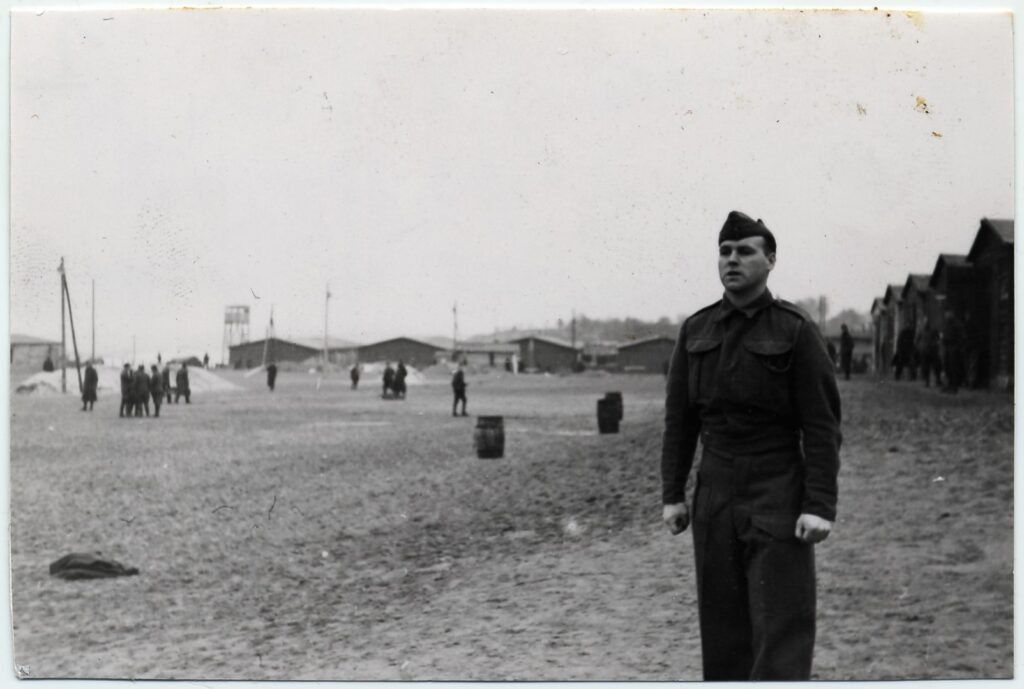
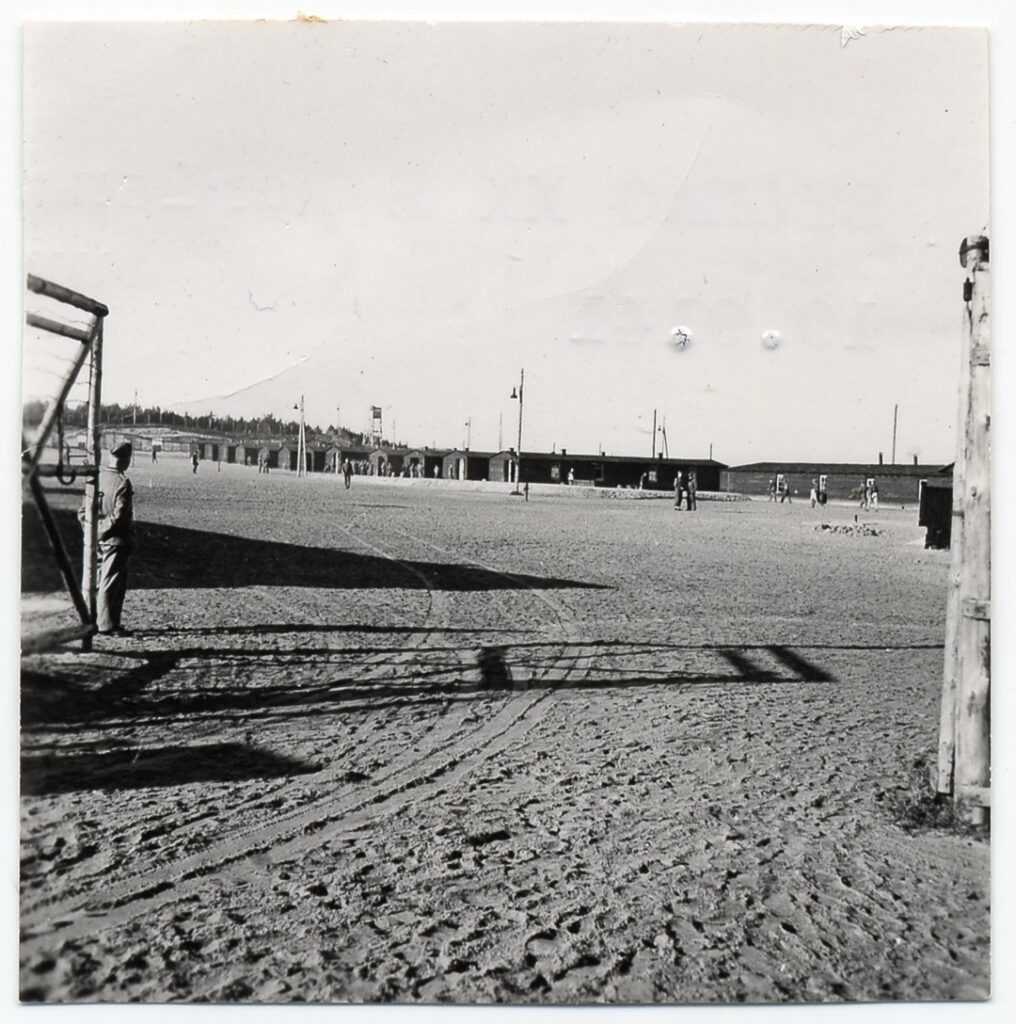
The living conditions of prisoners of war significantly improved by 1942 thanks to the construction of additional residential barracks as well as by pro-viding facilities that allowed for engaging in cultural life The assembly square was also used as a sports field.
Stalag XX B Marienburg was a barrack-type camp, built om scratch in the area intended for this purpose, without using any already existing facilities. In July 1940, the camp was still lacking the necessary inastructure. It was a square surrounded by barbed wire, with watchtowers and a few barracks for guards. The prisoners were accommodated in overcrowded tents and dugouts. By the end of 1940 the camp had reached 3,000 inmates.
There were three types of buildings that served as living quarters in the Stalag:
• wooden barracks, of the so-called the “old type”, divided into two large rooms separated by the common corridor. One barrack would accommo-date up to 70 people. These structures had windows along one wall only, with triple bunks running along the opposite side
• new barracks whose interior were divided into six rooms, accommodating 40-50 prisoners each.
• dugouts – low, round huts, partially dug into the ground and covered with clay, the walls of which were reinforced with logs om the inside.
Instead of solid floors, there were only earthen ones. Bunks were placed on either side of a narrow corridor. One hut would accommodate around 30 prisoners. Though primitive, they were easier to heat than large barracks, a quality which prisoners appreciated
The living conditions of prisoners of war significantly improved by 1942 thanks to the construction of additional residential barracks as well as by pro-viding facilities that allowed for engaging in cultural life The assembly square was also used as a sports field.
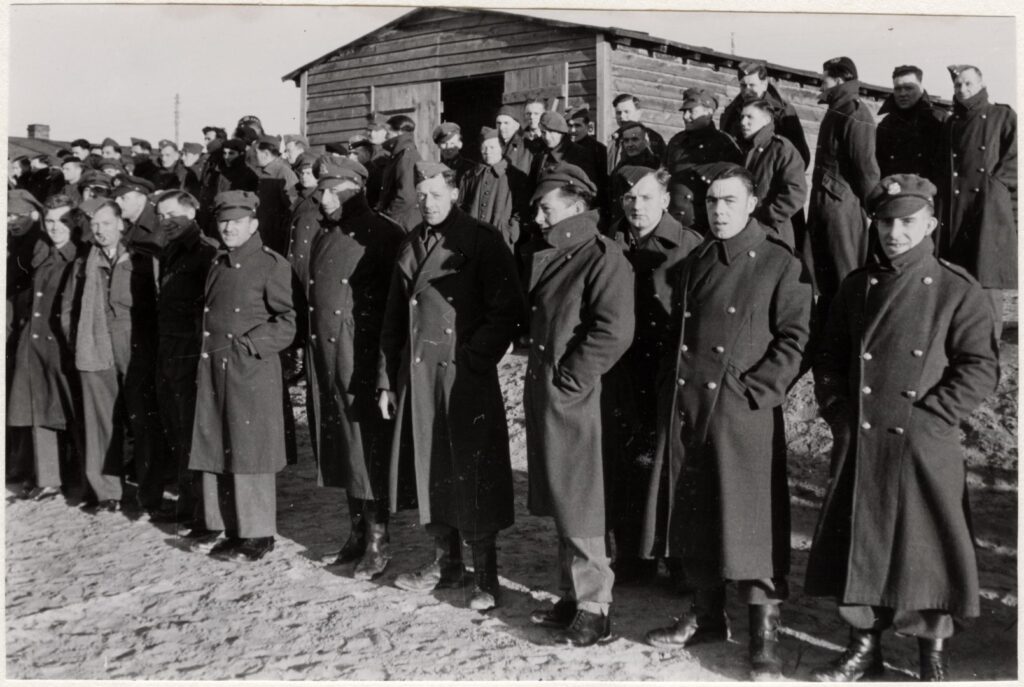
There was also a library in the Stalag, which alternately functioned as a chapel, where services for believers of various denominations were held in keeping with the schedule. There were two large washrooms and two latrines in the camp. The prisoners had a canteen at their disposal, whose supply depended largely on the military situation, which was dynamic. In the canteen, one could buy personal hygiene items, such as shaving articles, but also sauces, vinegar and sweet beer. Next to the canteen, the kitchen was located. Most of the cooks were drawn om Belgian and French prisoners of war. After some time, the British also joined this elite group
materials posted on the website under license CC BY-SA 3.0